Buying a flat does not give your society the land it stands on. Conveyance does, and when the builder will not cooperate, Maharashtra has a statutory route around them.
Blackstone Realty · 5 August 2026 · 7 min read
You buy a flat. You register the agreement. You move in. The society gets formed. And the land under the building still belongs to the builder.
That surprises most buyers, and it stays true until a separate step happens. That step is conveyance, and a large number of Maharashtra societies never complete it.
What conveyance is
Conveyance is the transfer of title in the land and the building from the promoter to the registered society. Until it happens, the society owns the structure it occupies in a practical sense and owns nothing in a legal one.
Three things depend on it.
Redevelopment. A society that does not hold title cannot redevelop on its own terms, decades from now when that becomes the question.
Unused development rights. If additional floor space potential remains on the plot, it belongs to whoever holds the land. That is the builder until conveyance.
Clean title on resale. A careful buyer’s lawyer will ask, and an unconveyed society is a question mark on the file.
The deadlines
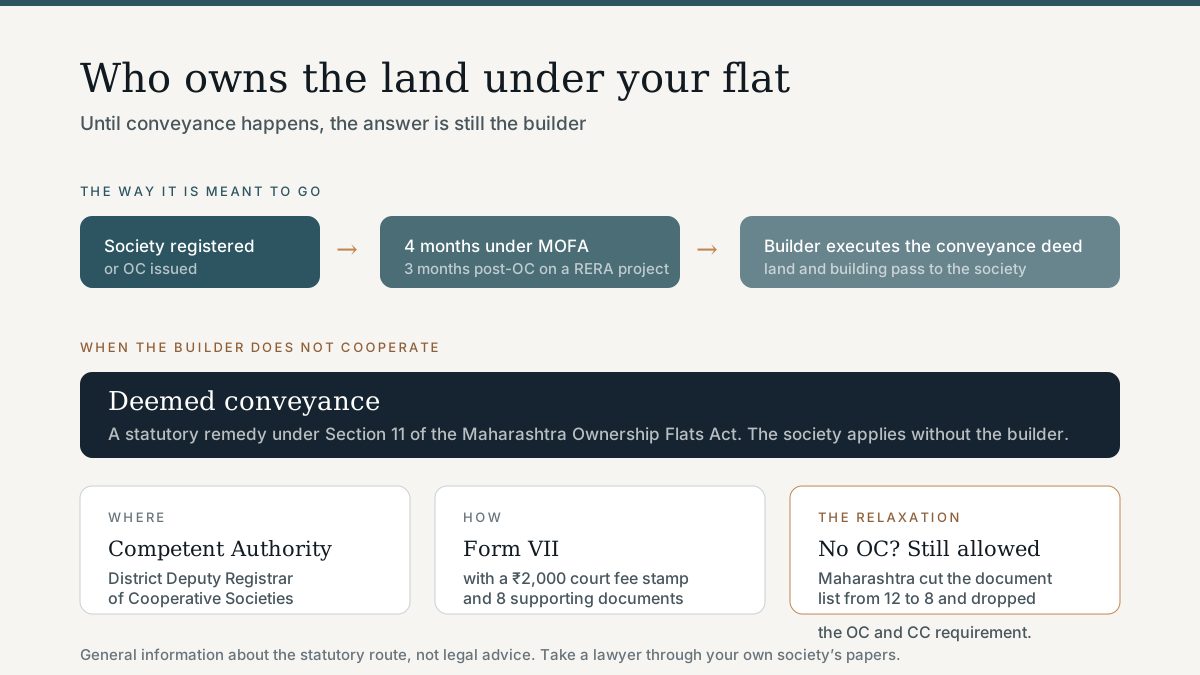
Under the Maharashtra Ownership Flats Act, the promoter is required to convey within four months of the society being formed, where no other period is agreed.
On a project registered under RERA, where no conveyance period has been agreed, the promoter is to execute conveyance within three months of the occupancy certificate being issued.
Both of those are obligations rather than suggestions. Both are widely missed, which is why the second route exists.
How deemed conveyance works
It is a statutory remedy under Section 11 of the Maharashtra Ownership Flats Act. The society applies to the Competent Authority, which is the District Deputy Registrar of Cooperative Societies, who hears both sides and issues a conveyance order. That order is then registered at the sub-registrar’s office like any other deed.
The mechanics are unglamorous and manageable.
The society passes a resolution and appoints someone to run it
Every member’s registered agreement for sale is collected in true copy
The society’s registration certificate, the property card, the approved plans and a title report are assembled
Form VII is filed before the Competent Authority with a ₹2,000 court fee stamp
Both sides are heard, and the order follows
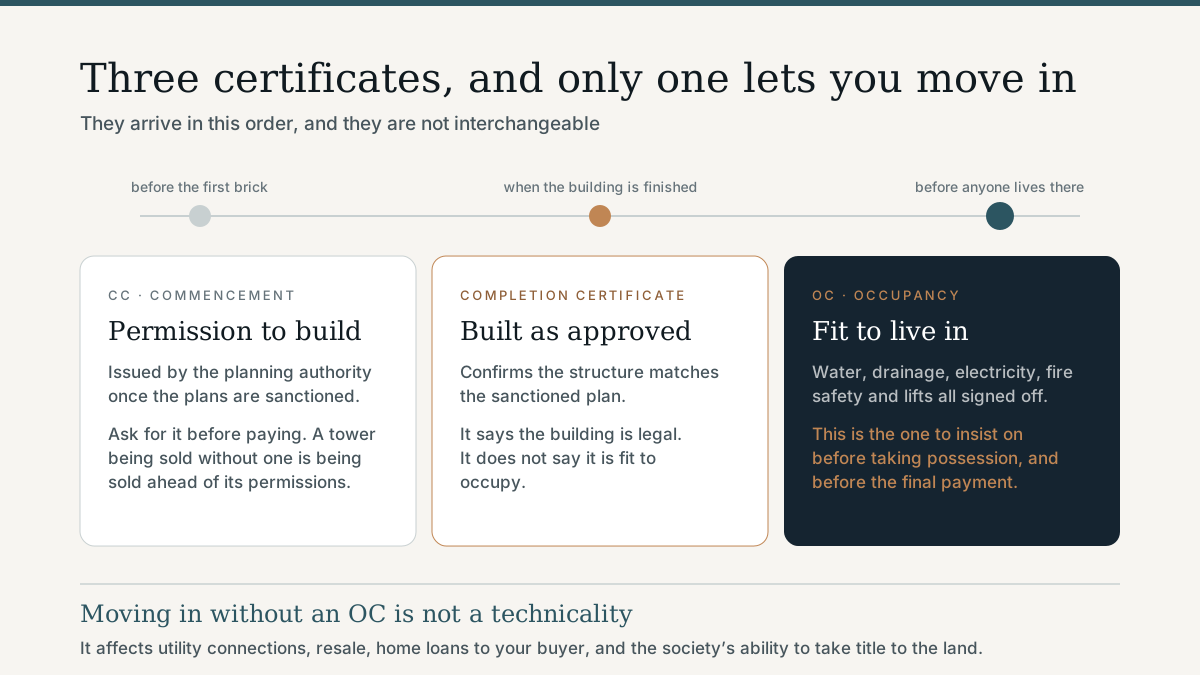
The occupancy certificate starts the three-month conveyance clock on a RERA project, which is one more reason not to take possession without it. · Illustration
The relaxation worth knowing about
Historically, a society without an occupancy certificate was stuck: no OC, no conveyance. That trapped exactly the societies with the least cooperative builders.
Maharashtra has since cut the document list from twelve to eight and provided that deemed conveyance may be granted even where the society does not hold an occupancy or completion certificate.
That is a significant change and it is not widely known. If your society was told years ago that it could not proceed without an OC, that advice may no longer hold.
What this means when you are buying off-plan
On a project like Serenique, conveyance is years away and there is nothing to check yet. What you can do is put it in the file now.
Ask what conveyance period the agreement specifies. If it names one, that period governs instead of the statutory default.
Keep your registered agreement safe. Every member needs a true copy of theirs for a deemed conveyance application, and chasing them down twenty years later is the single biggest delay in the process.
On a phased scheme, ask how the land will be divided. Eleven towers on fourteen acres may convey as one society or as several, and that decision is made long before anyone thinks about it.
This is general information about the statutory route rather than legal advice. A society actually pursuing conveyance should take its own papers to a lawyer who does this work.
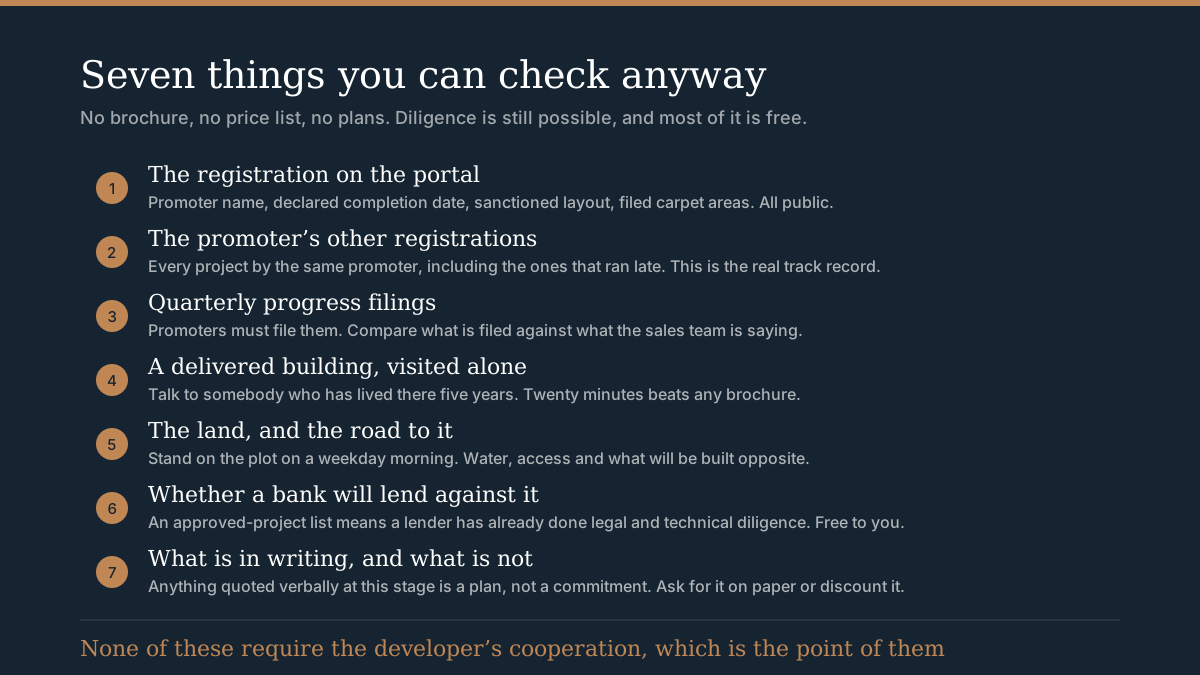
No price list, no carpet areas, no plans, no renders. Seven checks are still available to you, most of them free, and none of them need the developer to cooperate.
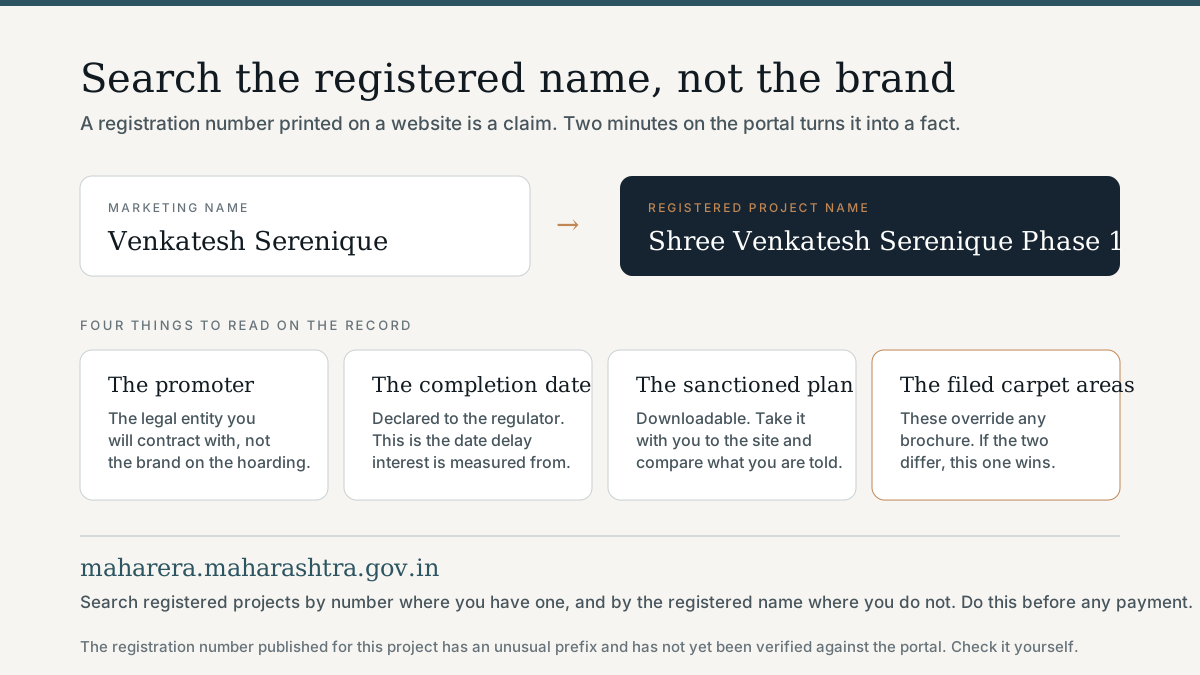
How to check a MahaRERA registration before you pay anything
Any project can print a registration number on a website. Checking it takes about two minutes on the government portal, and it tells you things the brochure will not.
What pre-launch actually means, and what you trade for it
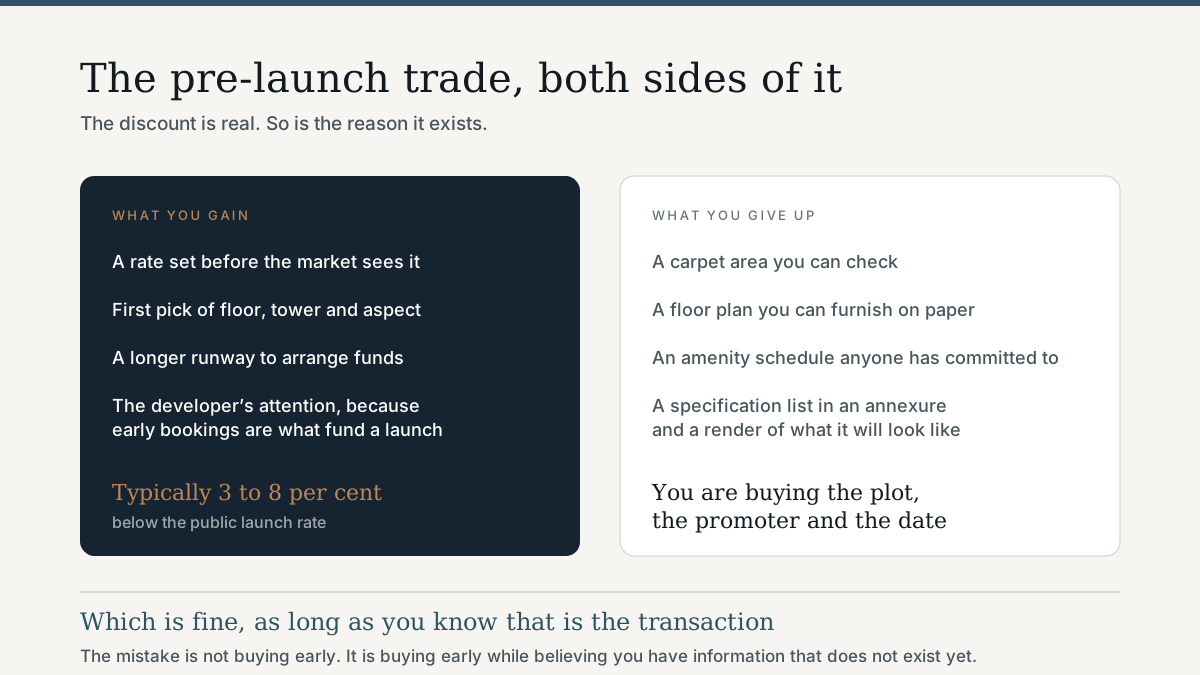
Pre-launch pricing is real, and so is the reason it exists. Here is what you are buying before the brochure exists, and the questions worth asking before you commit.