How to check a MahaRERA registration before you pay anything
Any project can print a registration number on a website. Checking it takes about two minutes on the government portal, and it tells you things the brochure will not.
Blackstone Realty · 9 August 2026 · 5 min read
A registration number on a marketing website is a claim, not proof. It is text on a page, and whoever typed it may have copied it from another site that copied it from somewhere else. The number itself is not the protection. Looking it up is.
The lookup is free, public and takes about two minutes. Here is what to do and, more useful, what to actually read once the page loads.
The two-minute check
Go to maharera.maharashtra.gov.in and open the registered projects search.
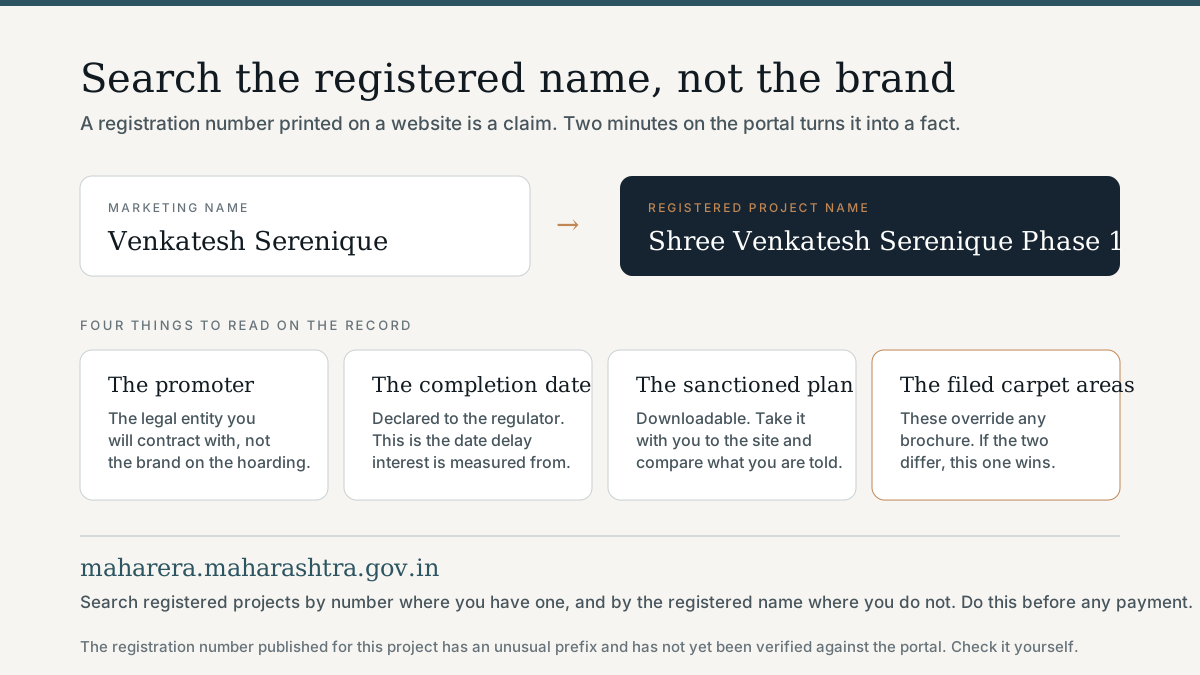
Search by the registration number if you have one. If you only have a project name, search by that instead, then by the promoter’s name. Marketing names and registered names are often different, so a name search that returns nothing does not mean the project is unregistered.
Open the project record and read the certificate, not just the header.
What to read once you are there
The registered name, not the marketing name
Projects are advertised under one name and registered under another. This one is marketed as Venkatesh Serenique and registered as Shree Venkatesh Serenique Phase 1. A mismatch is normal. What matters is that the record you are reading is unmistakably the project you are being sold, at the same address, by the same promoter.
Which phase you are actually buying in
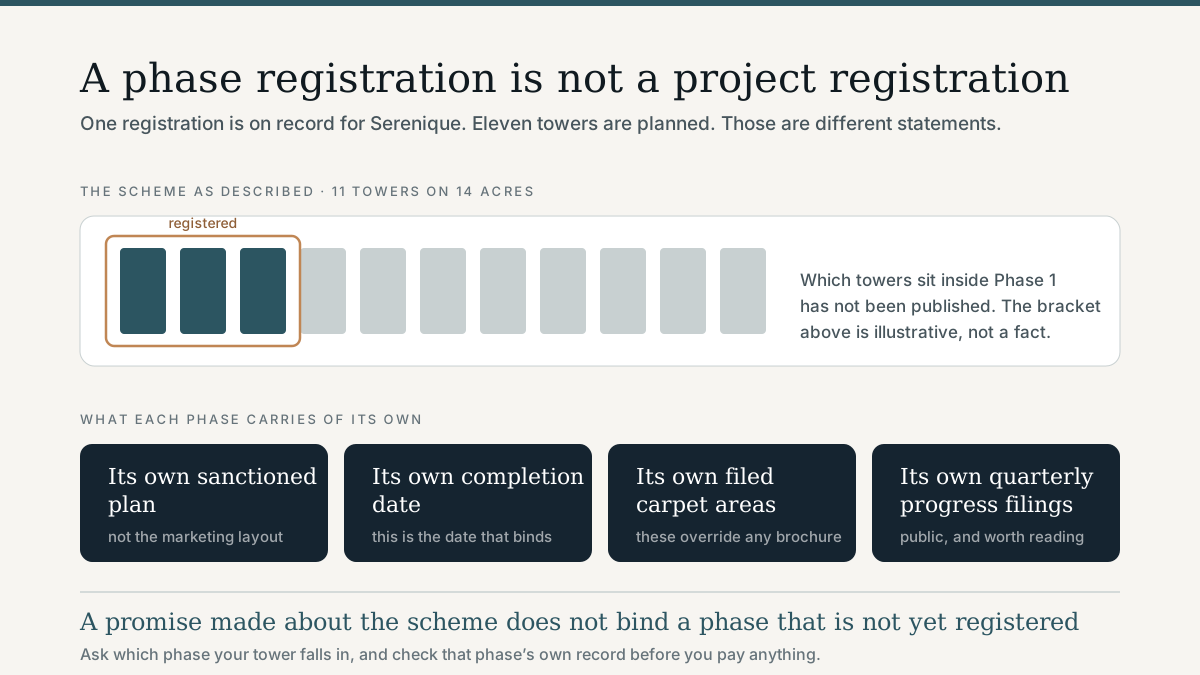
This is the one most people miss. A large development is registered in phases, and each phase is a separate registration with its own completion date and its own approved plans. A site advertising eleven towers may hold a registration covering rather fewer of them.
Ask which phase your flat sits in and check that phase’s registration. A neighbouring phase being registered tells you nothing about yours.
The completion date on the certificate
The portal shows the date the promoter committed to. Compare it with the date you have been given verbally. If the brochure says one year and the registration says another, the registration is the one with legal weight behind it, and the gap is worth asking about before you pay rather than after.
The approved plans and the land title
Registered projects upload their sanctioned layout, building plans and title report. These are the documents that tell you whether the amenity you were shown is approved or merely drawn. Download them. They are also the version a court would look at.
Complaints against the promoter
The portal lists orders and complaints. A large builder having some is not automatically alarming, given the volume they handle. A pattern of the same complaint across several projects is a different signal, and it is public.
On this project’s number
The registration number for Serenique is printed in the footer of every page on this site. We reproduce it exactly as the project’s listing partner published it, and we have not yet confirmed it against the portal ourselves.
We would rather say that than imply a check we have not done. Look it up yourself before any payment. If what you find differs from what is printed here, the portal is right and we want to know.
A phase registration covers a phase. On an eleven-tower scheme that is a distinction worth holding on to. · Illustration
Two things registration does not mean
It is not a quality guarantee. RERA regulates disclosure, timelines and the handling of your money. It does not inspect the concrete or vet the amenity list.
It is not a promise the project will finish on time. It gives you a documented date and a route to recourse if that date is missed. That is genuinely valuable and it is not the same as certainty.
Before you transfer money
Confirm the registration covers your phase. Confirm the promoter named on the certificate is the party you are paying. Get the payment schedule in writing against construction stages rather than dates. And keep in mind that under the Act, no more than ten per cent of the cost can be taken before a written agreement for sale is signed and registered.
None of this is difficult. It is just rarely done, because the paperwork arrives when everyone is already excited about the flat.
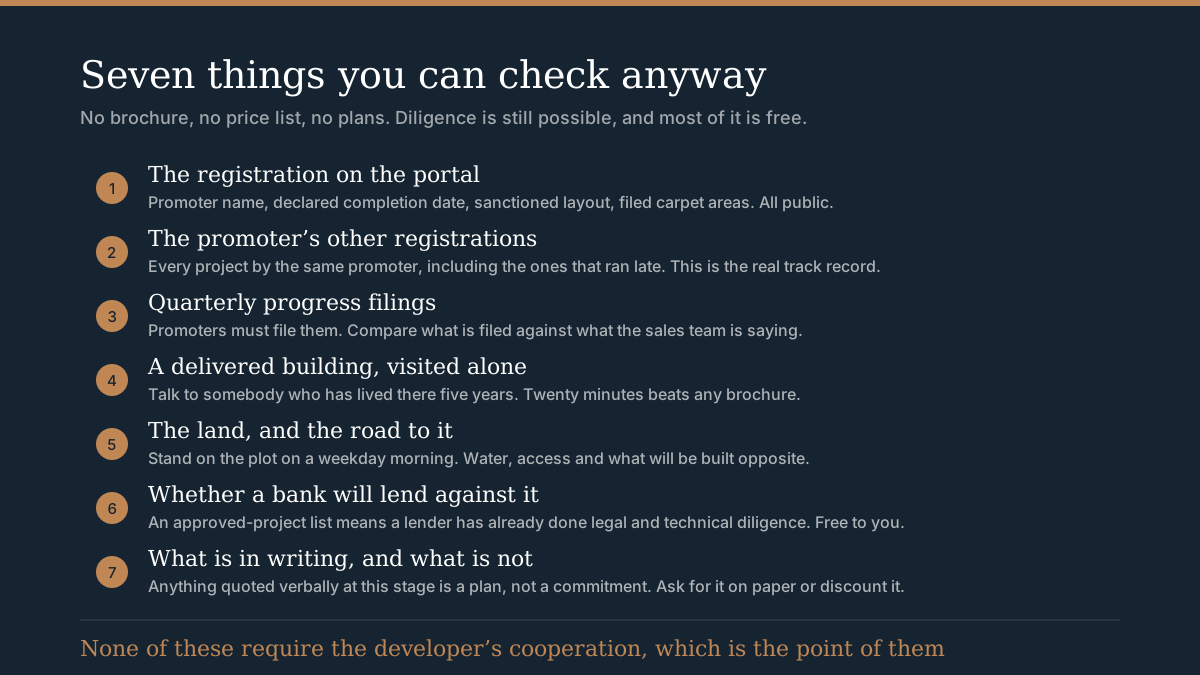
No price list, no carpet areas, no plans, no renders. Seven checks are still available to you, most of them free, and none of them need the developer to cooperate.
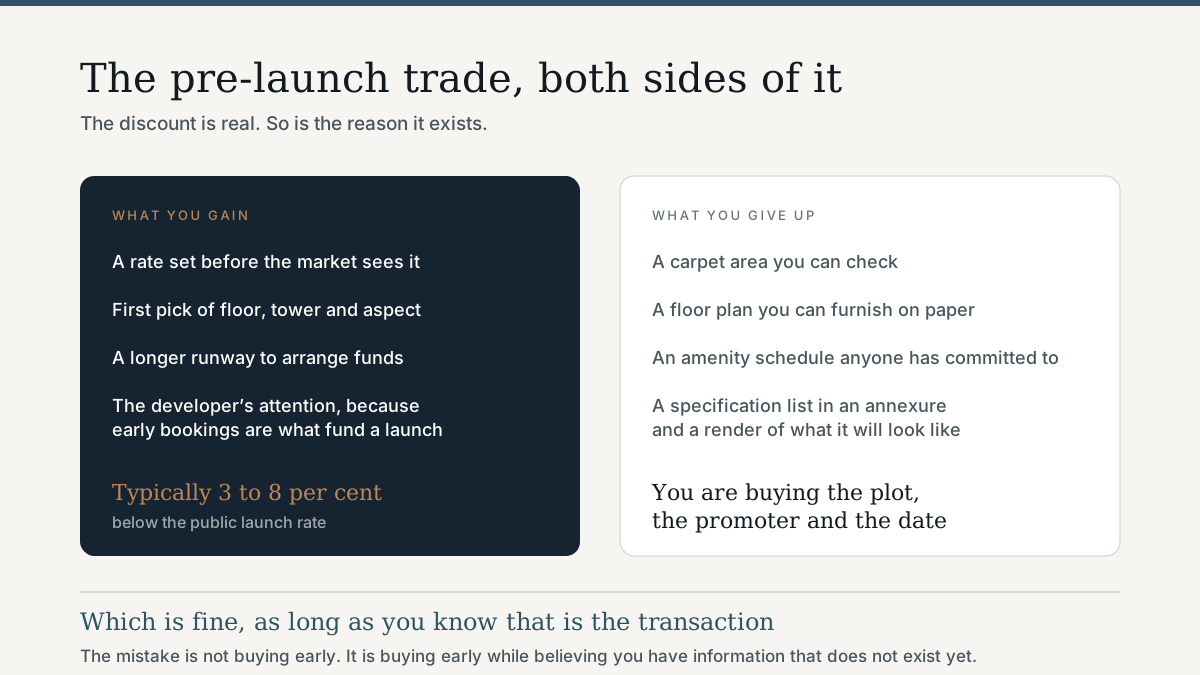
What pre-launch actually means, and what you trade for it
Pre-launch pricing is real, and so is the reason it exists. Here is what you are buying before the brochure exists, and the questions worth asking before you commit.
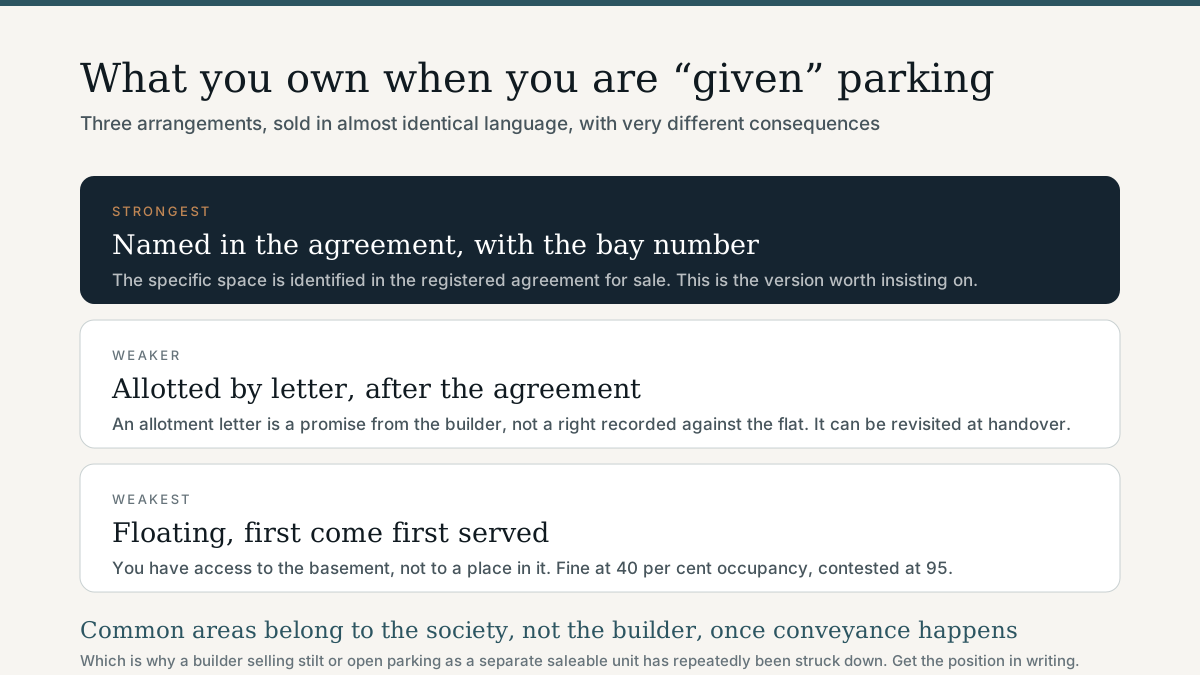
Parking: what you own, and what you were only promised
A bay named in your registered agreement, an allotment letter and a floating arrangement are sold in near-identical language and give you three very different things.