Parking: what you own, and what you were only promised
A bay named in your registered agreement, an allotment letter and a floating arrangement are sold in near-identical language and give you three very different things.
Blackstone Realty · 9 August 2026 · 6 min read
Nobody negotiates hard over parking. It is discussed for two minutes near the end of a long conversation about the flat, and it is settled with a sentence.
Then the building fills up, every household has two cars instead of one, and the sentence turns out to have meant three different things to three different people.
Three arrangements, in descending order of strength
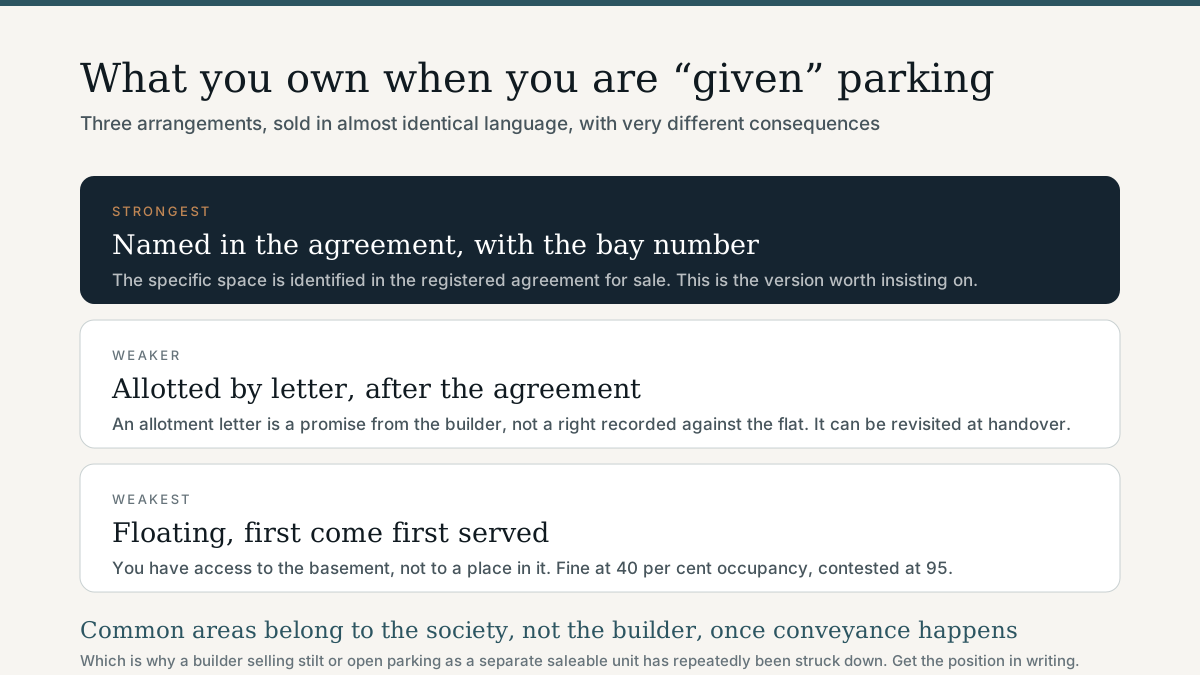
Named in the registered agreement, with the bay number
The specific space is identified in the agreement for sale that you register. This is the strongest version and the one to ask for.
It survives a change of builder personnel, a change of society committee and a dispute with a neighbour, because it is recorded in a registered document rather than remembered.
Allotted by letter, after the agreement
Very common, and considerably weaker. An allotment letter is a promise from the builder rather than a right recorded against your flat.
In practice most allotment letters are honoured. The problem arrives at handover, when the builder exits and the society takes over the common areas, and the society was not party to that letter.
Floating, first come first served
You have access to the basement. You do not have a place in it. This works perfectly at forty per cent occupancy and is contested at ninety-five.
If this is the arrangement, ask what the ratio is: how many sanctioned parking spaces exist against how many flats. A scheme at 1.2 spaces per flat behaves very differently from one at 0.8.
Why three basements changes this
Serenique is planned with three basement levels beneath a podium. That is the expensive way to provide parking and it is the good way, because it puts the cars underground and leaves the deck above free of them.
It also raises questions a single-level basement does not.
Which level is your bay on? The third basement is a longer walk, a longer ramp and a different experience in a power cut than the first.
How many ramps serve the basements? On a scheme of this size, one entry ramp for the whole development is a queue at 9am.
Is there ventilation and lighting on the lower levels, and does the power backup cover them?
Where is visitor parking, and is it inside the sanctioned count or in addition to it?
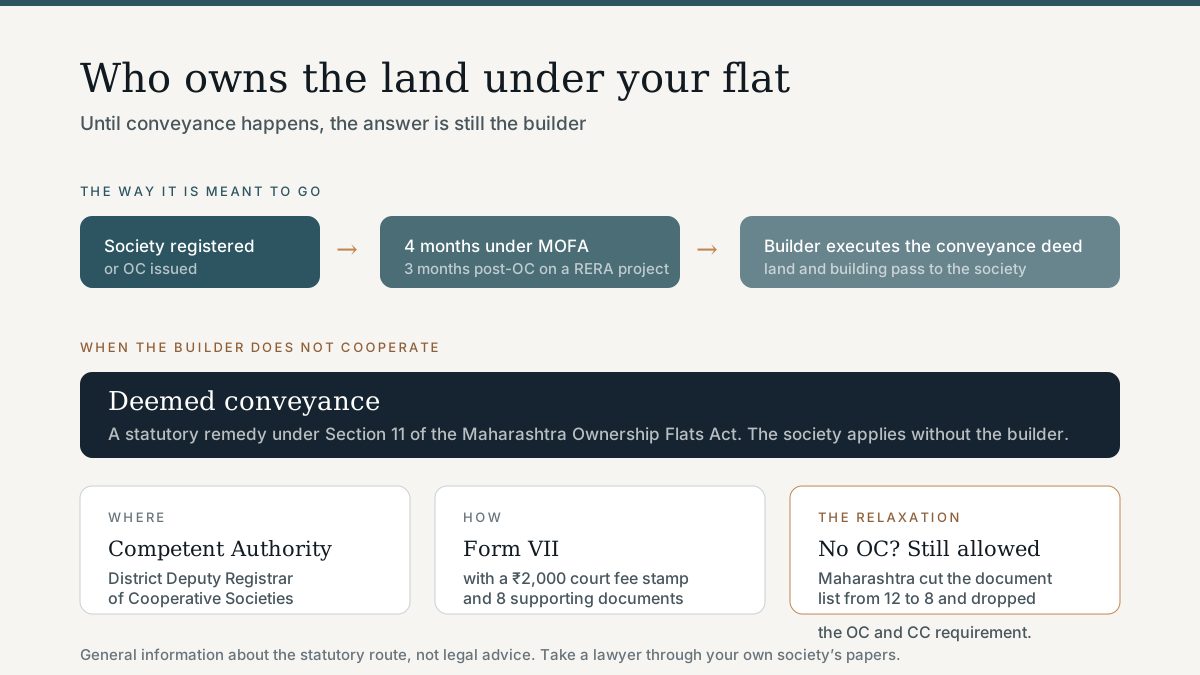
Parking sits in the common areas, and the common areas pass to the society at conveyance. Which is when informal arrangements get tested. · Illustration
What to get in writing
How many spaces come with the flat, stated as a number
Whether they are allotted or floating
If allotted, the bay number and the basement level, named in the agreement
The total sanctioned parking count for the phase, against the number of flats in it
Whether a second space can be bought, at what price, and on what basis
None of this is available for Serenique yet. Parking arrangements come with the floor plans and the cost sheet, and neither has been published.
Which makes now the right time to know what to ask, rather than the week you are handed a cost sheet and asked to decide by Friday.
This is general information rather than legal advice. Have your own agreement read by a lawyer before you sign it.
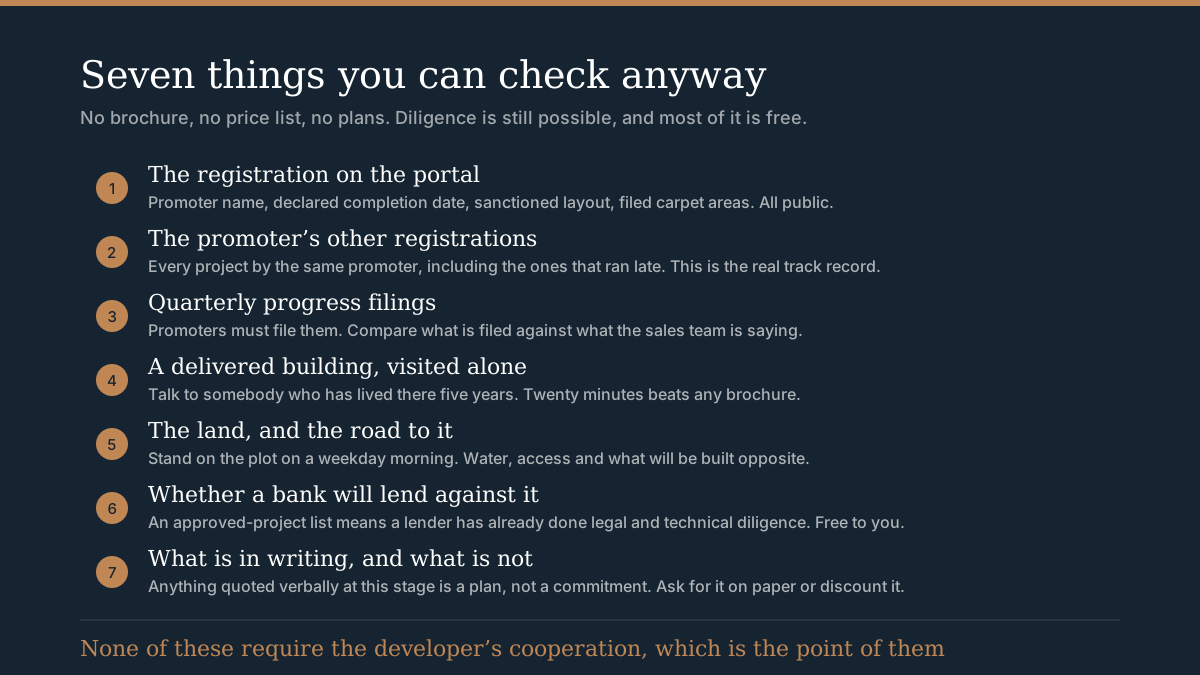
No price list, no carpet areas, no plans, no renders. Seven checks are still available to you, most of them free, and none of them need the developer to cooperate.
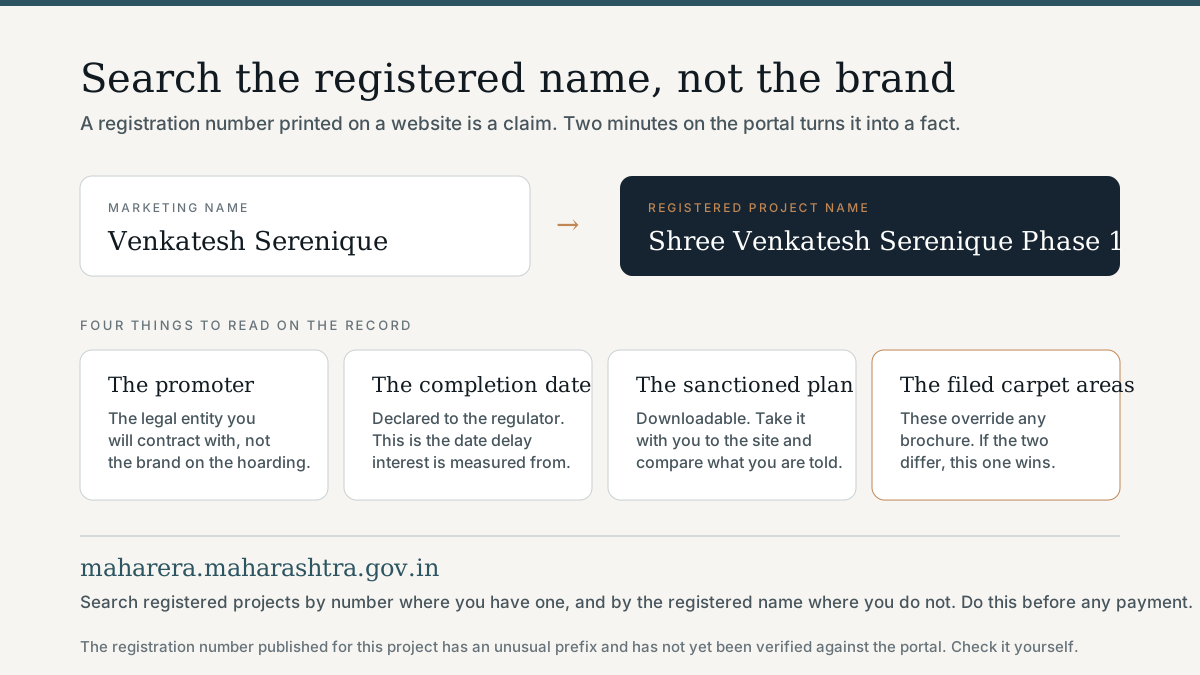
How to check a MahaRERA registration before you pay anything
Any project can print a registration number on a website. Checking it takes about two minutes on the government portal, and it tells you things the brochure will not.
What pre-launch actually means, and what you trade for it
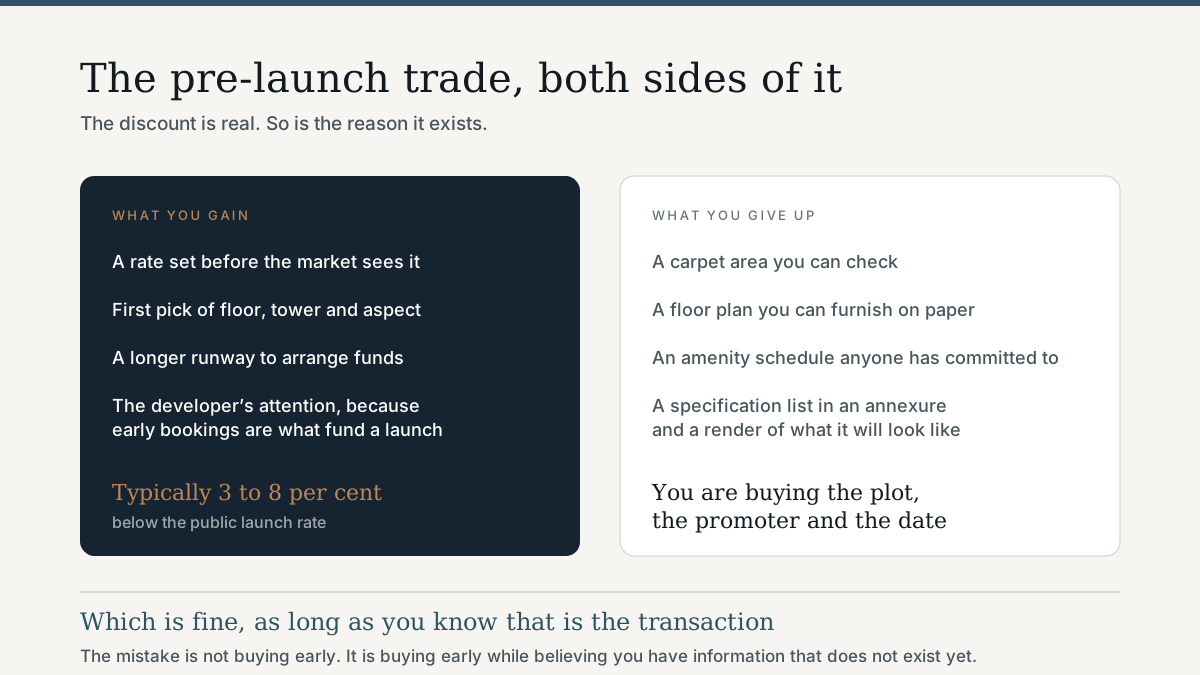
Pre-launch pricing is real, and so is the reason it exists. Here is what you are buying before the brochure exists, and the questions worth asking before you commit.