CC, completion certificate and OC: which one lets you move in
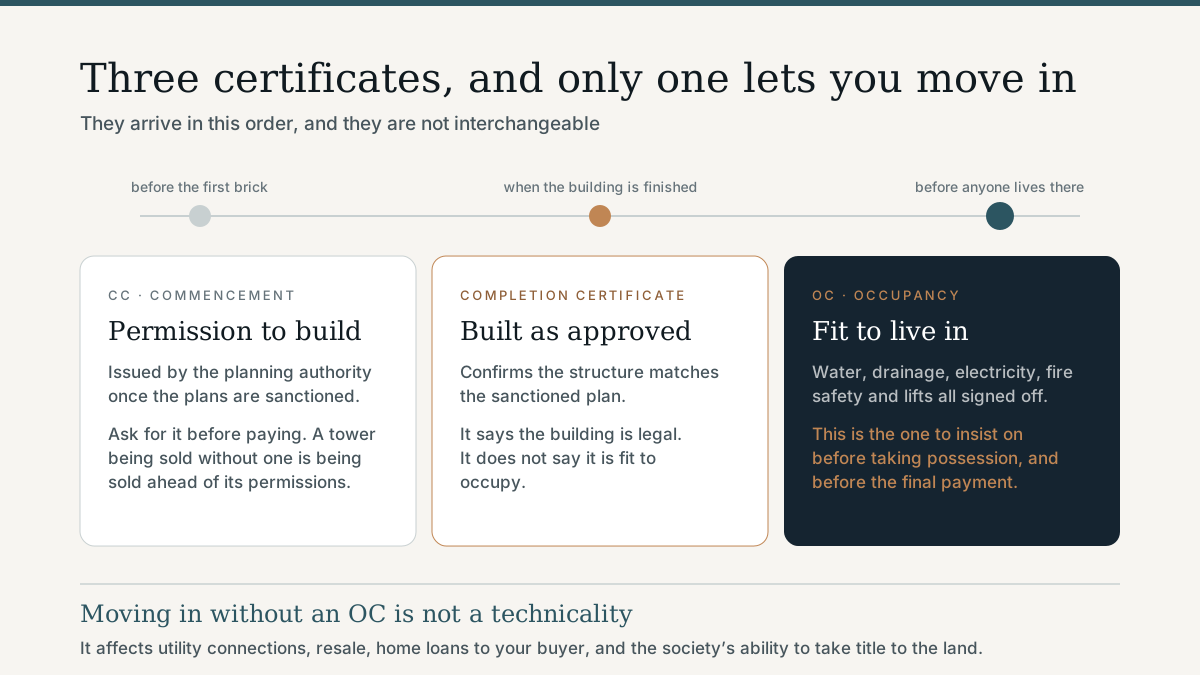
Three certificates arrive in order and only the last one means the building is fit to live in. Taking possession without it affects your utilities, your resale and your society.
Blackstone Realty · 3 August 2026 · 6 min read
Three documents, similar names, very different meanings. Buyers are handed keys against the wrong one every year, and the consequences arrive later.
Commencement Certificate
Permission to start building, issued by the planning authority once the plans are sanctioned. It is the first of the three and the one to ask for before you pay anything.
A project being marketed without one is being marketed ahead of its permissions. That is not automatically fatal, since permissions do come through, but it is a fact you should know before your money is in rather than after.
Completion Certificate
Issued when the building is finished and the authority is satisfied it was built to the sanctioned plan. It confirms the structure is legal.
It does not say the building is fit to occupy. Those are different tests and this is the distinction most people miss.
Occupancy Certificate
The one that matters at handover. It confirms water, drainage, electricity, fire safety and lifts are all in place and signed off, and that the building may legally be occupied.
Do not take possession, and do not make the final payment, without it.
What a “part OC” means
On a phased scheme, a developer may obtain an occupancy certificate for some towers or some floors before the rest are done. That is normal and it is legitimate.
The thing to check is whether the part OC covers your flat. A certificate issued for towers A and B does nothing for a buyer in tower G. Ask to see the document and find your tower and floor named in it.
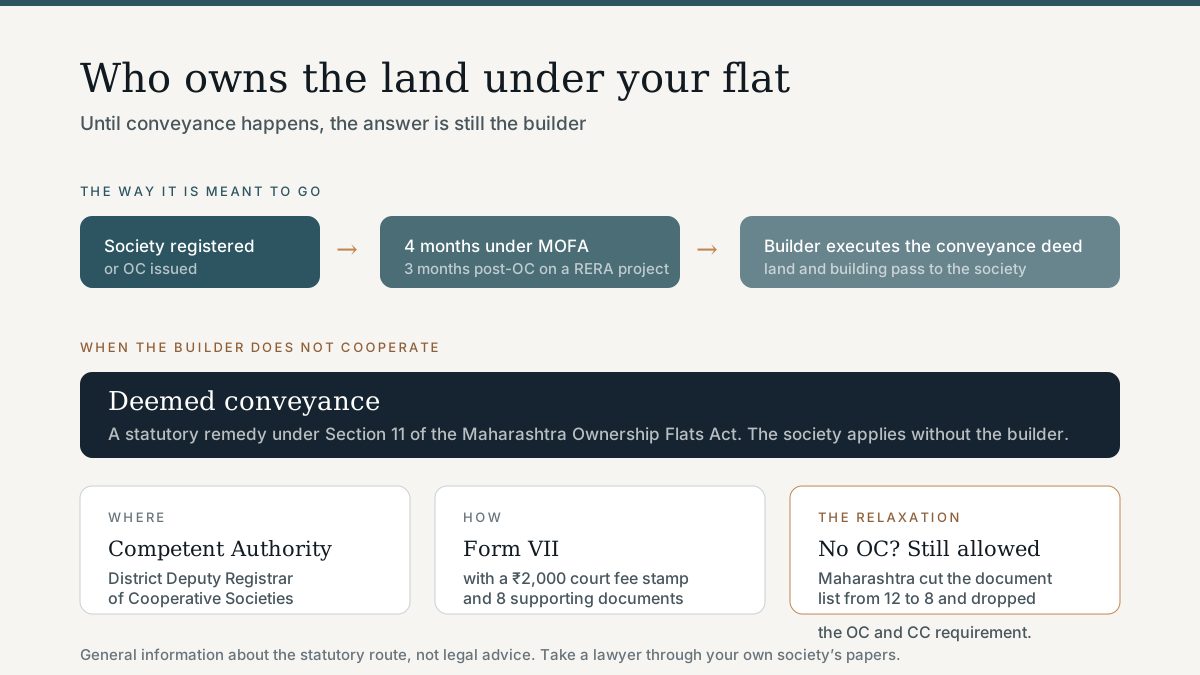
The OC also starts the clock on conveyance. On a RERA project the promoter is to convey title within three months of it being issued. · Illustration
The order things should happen in
Occupancy certificate issued, covering your tower
You inspect and snag the flat, in writing, with photographs
Defects agreed and either fixed or scheduled, in writing
Developers frequently want step four before step two. That ordering is a negotiation, not a rule, and it is worth having the conversation before you are standing in the flat with a cheque.
What to ask for, in writing
A copy of the occupancy certificate naming your tower
The completion certificate, and the sanctioned plan it was issued against
The fire NOC and the lift licence
The possession letter, dated
The specification annexure, so you can check what was delivered against what was sold
None of these are unusual requests. A developer who has them will hand them over in an afternoon, and a developer who does not is telling you something useful.
This is general information rather than legal advice. Have a lawyer read your own agreement and the certificates before you take possession.
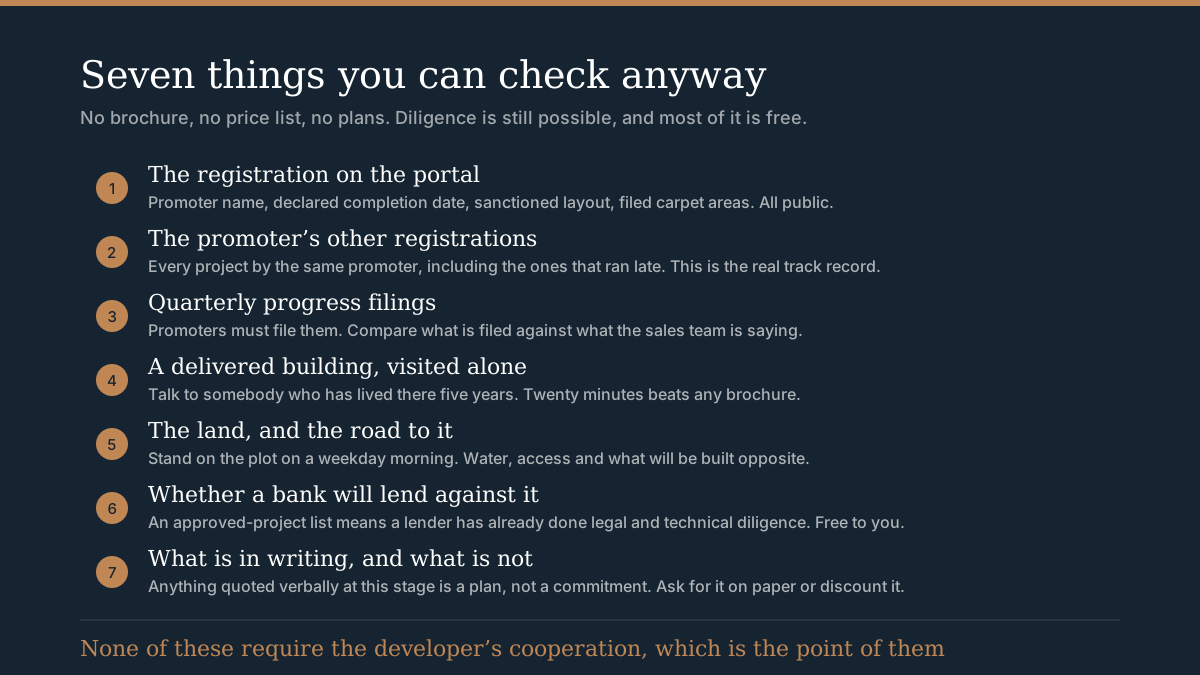
No price list, no carpet areas, no plans, no renders. Seven checks are still available to you, most of them free, and none of them need the developer to cooperate.
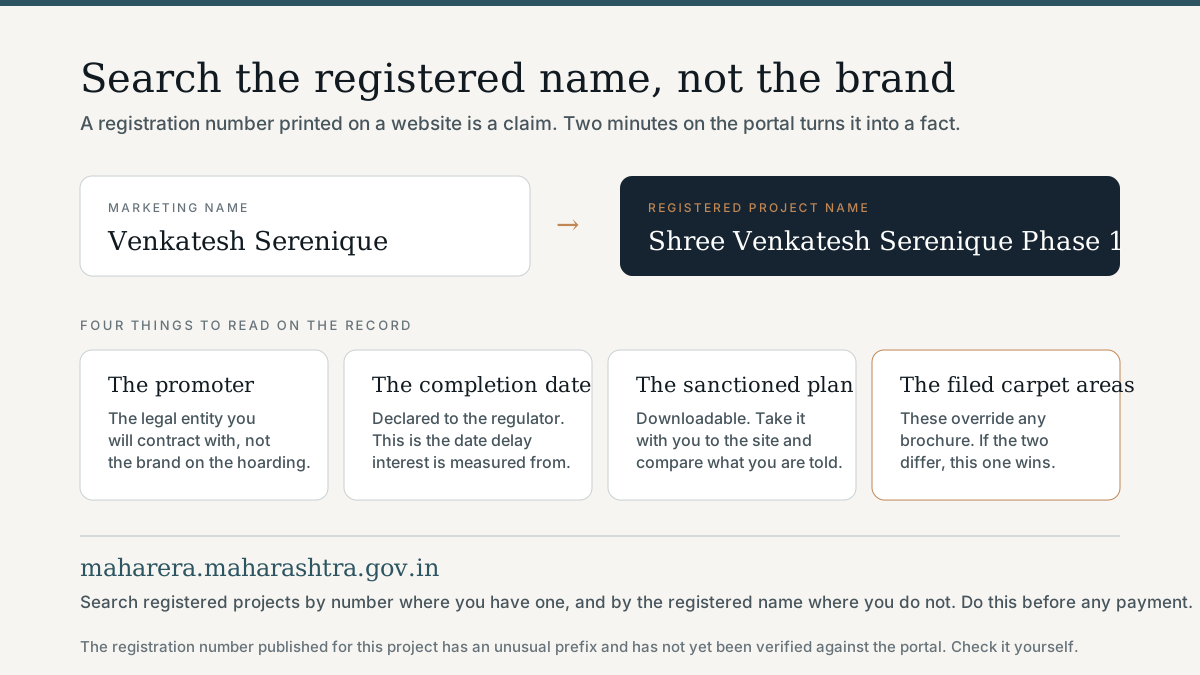
How to check a MahaRERA registration before you pay anything
Any project can print a registration number on a website. Checking it takes about two minutes on the government portal, and it tells you things the brochure will not.
What pre-launch actually means, and what you trade for it
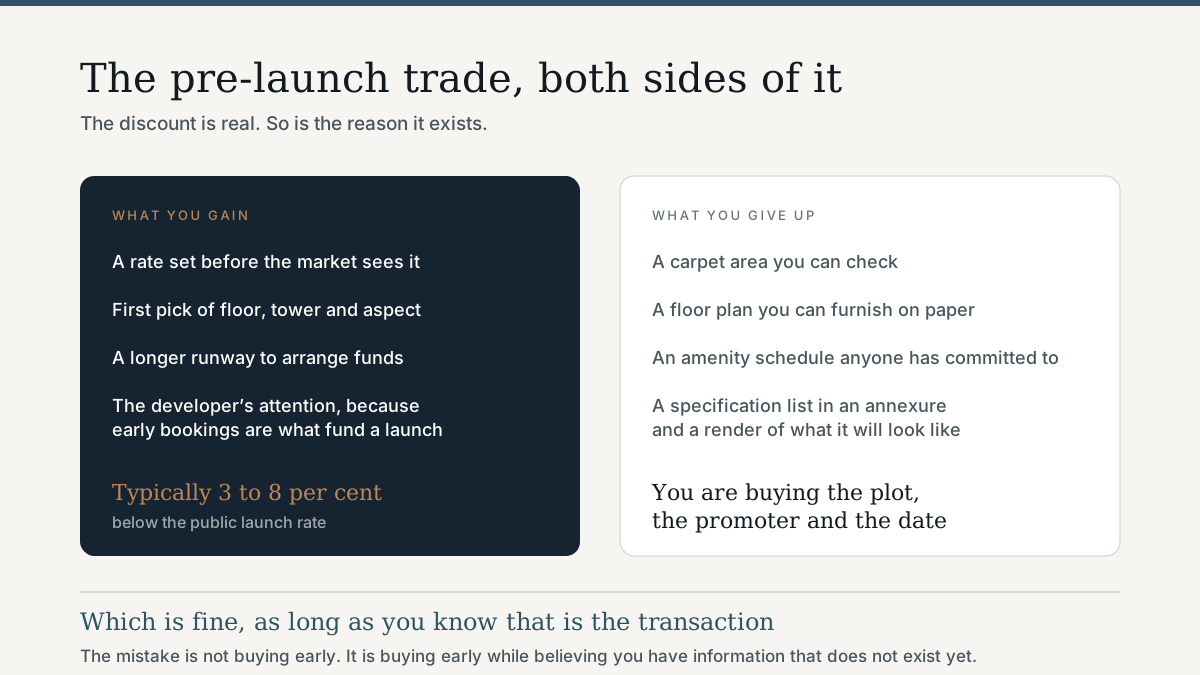
Pre-launch pricing is real, and so is the reason it exists. Here is what you are buying before the brochure exists, and the questions worth asking before you commit.