The five-year warranty you already own on a new flat
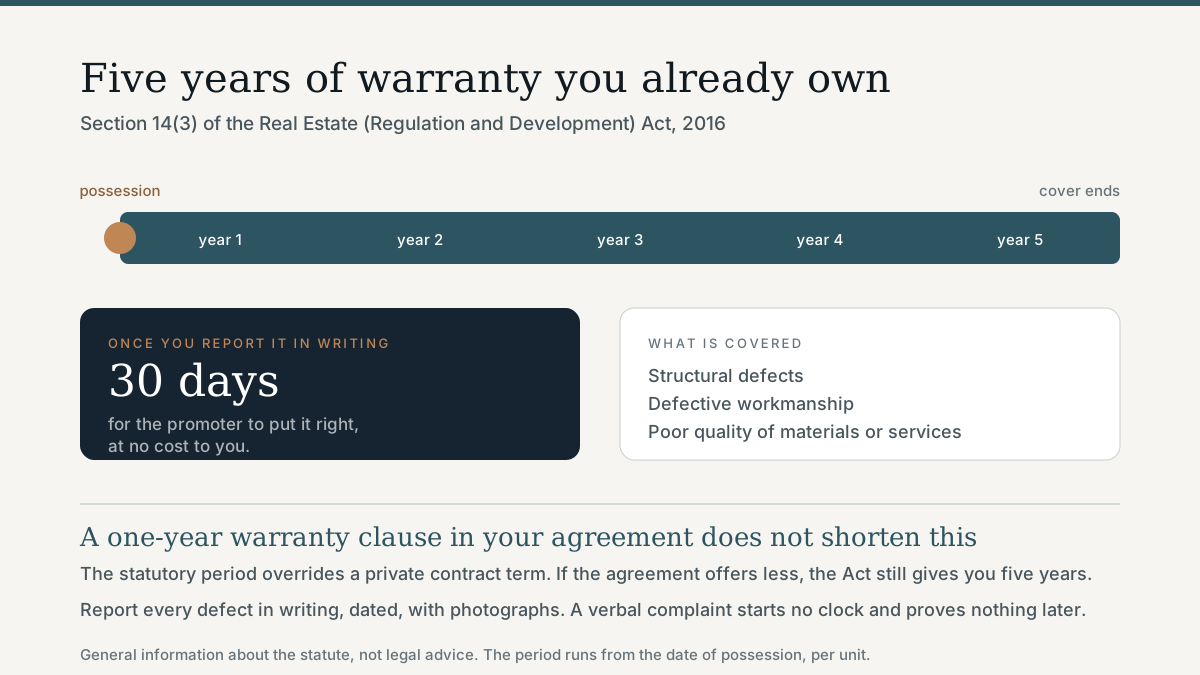
Section 14(3) makes the builder fix structural defects for five years after possession, within thirty days of being told. A shorter warranty clause in your agreement does not override it.
Blackstone Realty · 2 August 2026 · 6 min read
Most buyers find out about this clause in year four, when something cracks and they assume they are on their own. They usually are not.
Section 14(3) of the Real Estate (Regulation and Development) Act gives you a five-year warranty on a home in a registered project. It is statutory, it runs from the date of possession, and it costs you nothing.
What it says
If a structural defect, or a defect in workmanship, quality or the provision of services, comes to light within five years of possession, the promoter has to put it right at no charge to you. The Act gives them thirty days from being informed.
If they do not, you are entitled to compensation, and the route to it is a complaint to the regulator rather than a civil suit.
What counts as a defect
The Act names structural defects and defects in workmanship, quality and provision of services. In practice that has covered things like:
Cracks in structural members, and settlement affecting the frame
Water ingress through external walls, terraces and around windows
Leaking or failed plumbing and drainage within the building
Flooring, plaster and waterproofing that fails prematurely
Lifts, pumps and common services not performing as specified
It does not cover ordinary wear, damage you caused, or the consequences of your own alterations. A builder will reach for those three explanations first, which is why the paperwork below matters.
How to actually claim it
Report it in writing, dated. Email works. A phone call starts no clock and proves nothing eighteen months later.
Photograph it, with something for scale, and keep the originals with their timestamps intact.
Reference the section. Citing Section 14(3) in the first email changes the tone of the reply more often than you would expect.
Give them the thirty days, then follow up in writing again if nothing has happened.
Escalate to the regulator if it is still unresolved. Complaints are filed online and heard by the Authority.
Where a defect affects several flats, file together. A society or a group of allottees carries considerably more weight than one owner, and the evidence is stronger.
The five years run from possession. Which is why the date you take possession, and the certificate you take it against, is worth getting right. · Illustration
The detail that decides the whole thing
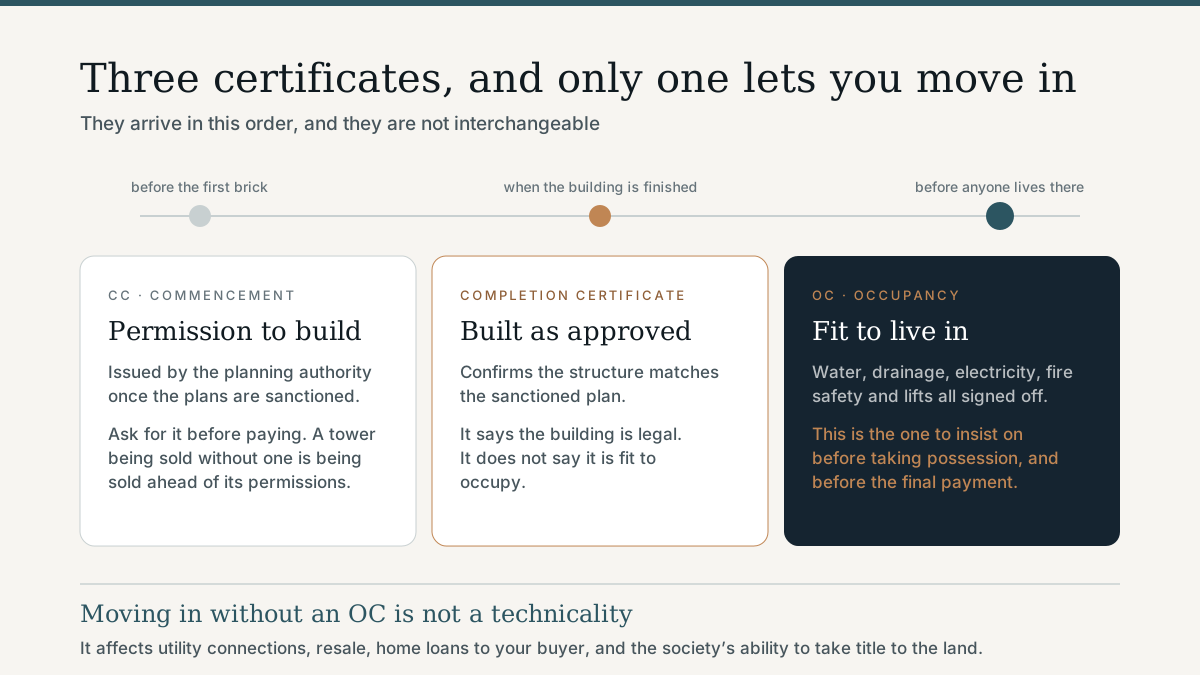
The clock starts at possession, per unit, and possession should be taken against an occupancy certificate. Not at completion, not at the society handover, and not when the last tower in the scheme finishes.
On a phased scheme of eleven towers, that means your warranty and your neighbour’s in a later phase expire on different dates. Keep the possession letter. It is the document that proves when your five years began.
Two things worth doing on the day you take possession
Snag the flat properly before you sign anything. Walk it with a checklist, list every defect in writing, and have the builder acknowledge the list. Signing a clean handover and raising defects afterwards is a harder position, though not a fatal one.
Keep the specification annexure. Half of all defect arguments are really arguments about what was promised, and that document settles them.
None of this is exotic. It is a warranty, like the one on a car, and the only unusual thing about it is how few buyers know it is there.
This is general information about the statute rather than legal advice. Take your own agreement to a lawyer if something has actually gone wrong.
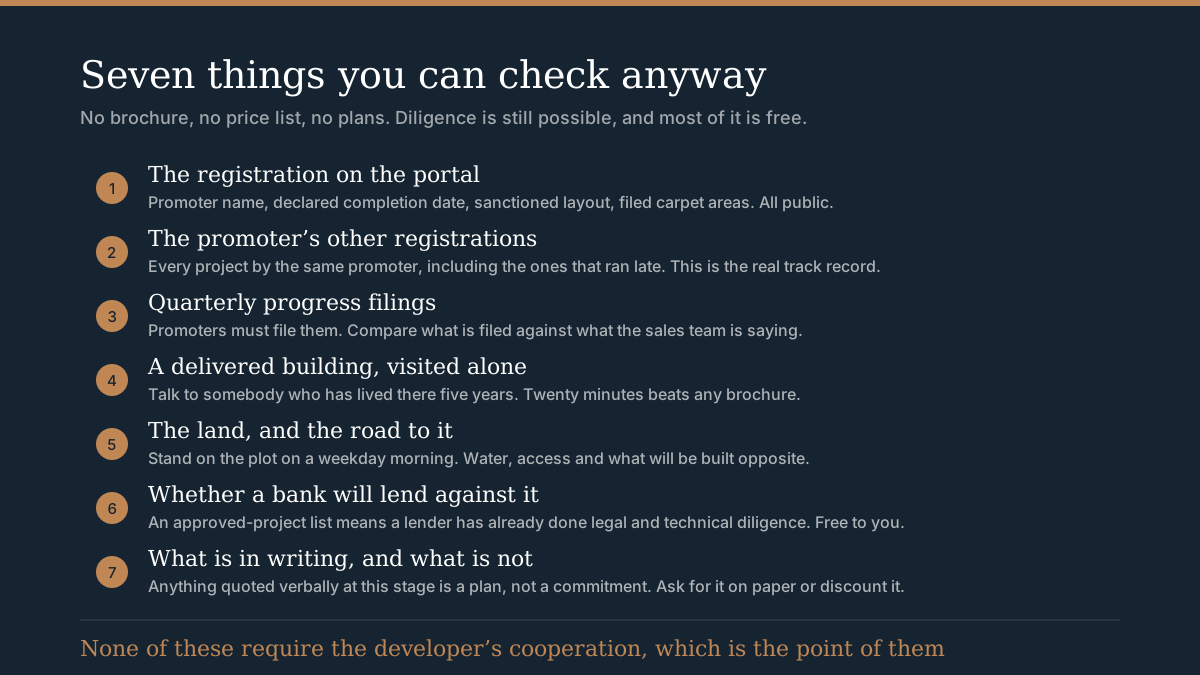
No price list, no carpet areas, no plans, no renders. Seven checks are still available to you, most of them free, and none of them need the developer to cooperate.
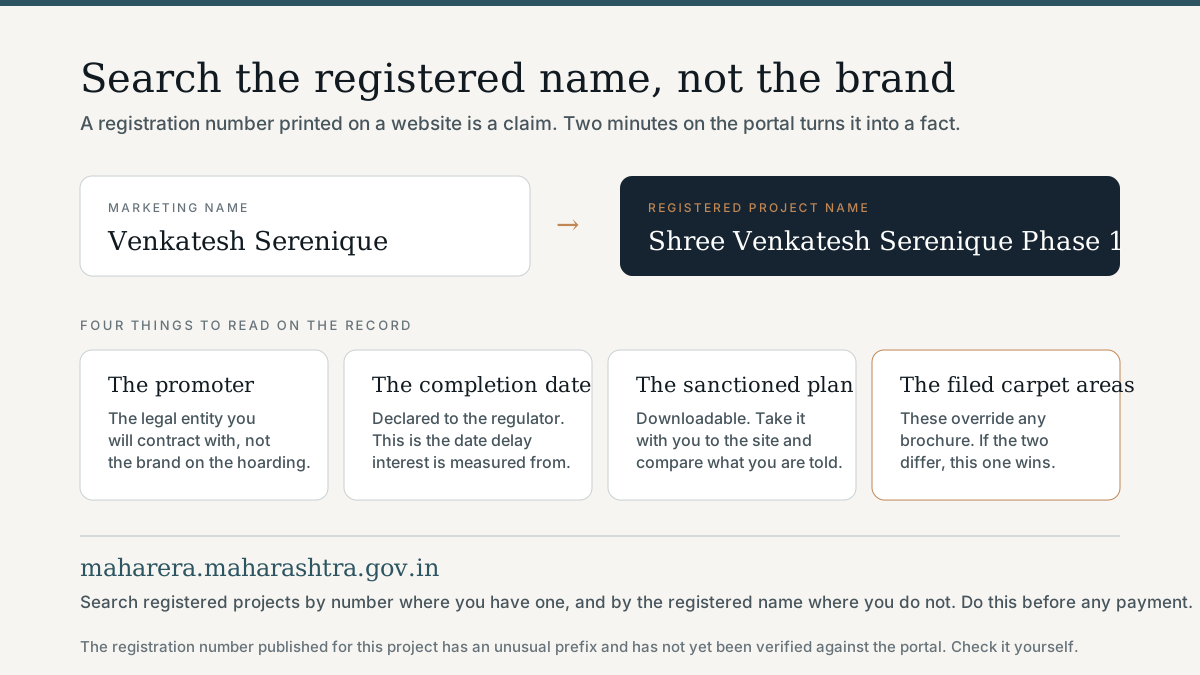
How to check a MahaRERA registration before you pay anything
Any project can print a registration number on a website. Checking it takes about two minutes on the government portal, and it tells you things the brochure will not.
What pre-launch actually means, and what you trade for it
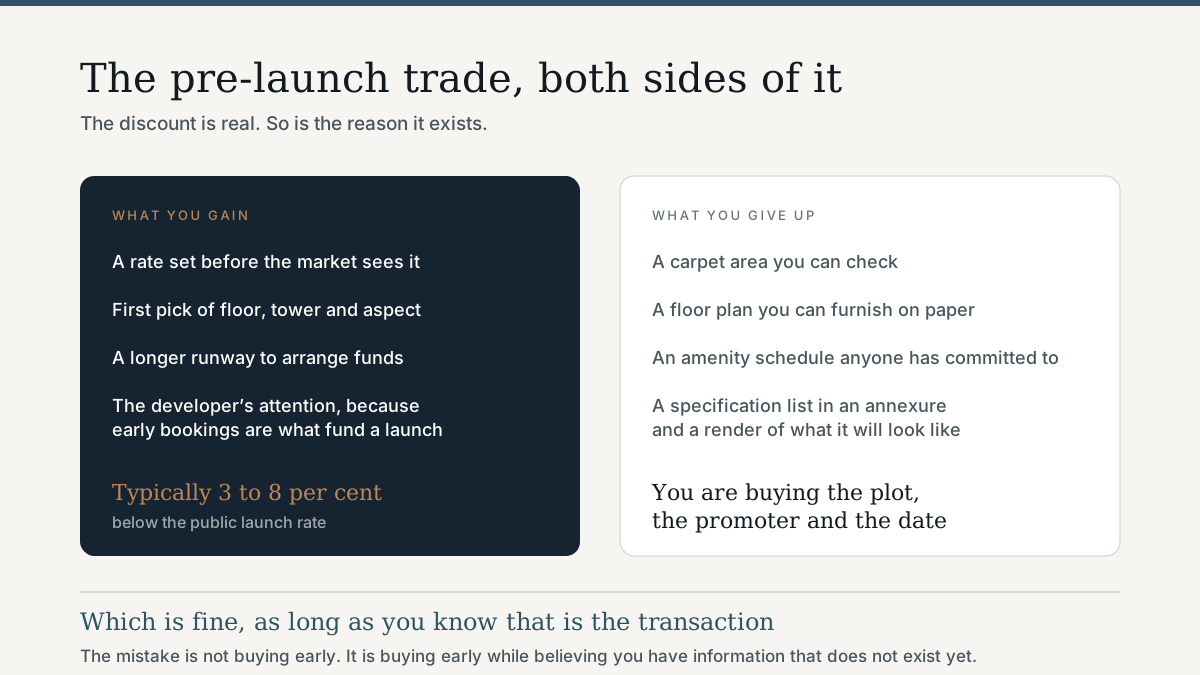
Pre-launch pricing is real, and so is the reason it exists. Here is what you are buying before the brochure exists, and the questions worth asking before you commit.